My First Real Year of Fruit, and What It Taught Me

I’ve been tending the garden since late 2021. Planting, pruning, mulching, hauling compost, watching the trees take root and settle in. This year was supposed to be the turning point. The fruit trees were old enough to produce in earnest. I thought this was the year we would really see the harvest.

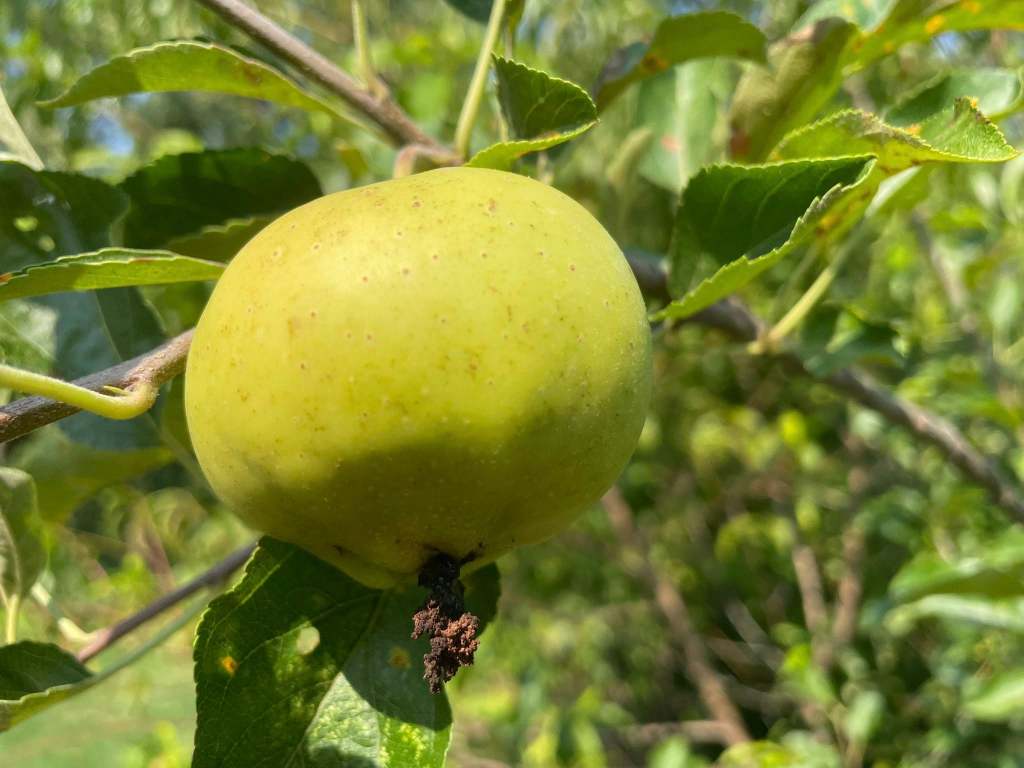
The fruit came, but so did everything else. Fungus spread through the trees. Apple scab, peach leaf curl, rust. Japanese beetles chewed through leaves. Aphids clustered on stems and drained them. By midsummer the damage was clear. Nature wanted to take back what I had planted.

There were some wins. The standard peach tree gave a good yield. Grapes and raspberries came in. Green beans took off in the beds. Garlic I had planted the year before came out strong. But it wasn’t the kind of success I had pictured. The fruit trees that were supposed to carry the year mostly struggled. Other vegetables sputtered. Carrots stayed small. Much of the work I had put in over the seasons seemed to vanish in front of me.

I had underestimated the fight. Palatine is basically a marsh. The damp air itself seems to breed fungus. Even with compost delivered, raised beds, and grow bags, the results fell short. Trying to imagine feeding my family on what I grew this season felt impossible.

I came away with more gratitude for modern farming. There are reasons why agriculture looks the way it does. You see it once you’ve spent time battling pests and fungus by hand. Gardening is worth it, and I’ll keep going, but it is not simple. It humbles you.

People talk about food forests, permaculture, and self-sufficiency. Maybe that works somewhere else. After this year, I’m not so sure about here. I want to believe it can be done, but standing in the garden, looking at the leaves eaten and the fruit diseased, I can’t help but doubt it.

Battling Fruit Orchard Pests and Diseases in Illinois

For the past two years, our backyard orchard in Northern Illinois has faced relentless challenges. With over 20 fruit trees, including apples, peaches, pears, nectarines, and plums, and seasonal citrus like lemons and limes, we’ve dealt with a host of pests and diseases. From aphids and Japanese beetles to peach rust and leaf curl, we’ve had to do the research and the work on how to prevent these diseases from killing our beloved fruit trees.

Our Approach: Copper, Sulfur, and Neem Oil

To manage these issues, we use copper, sulfur, and neem oil sprays. These treatments have been essential in keeping our trees healthy. Here’s how we use each one:

1. Copper Fungicide: Copper fungicide helps prevent fungal diseases like apple scab and peach rust. We spray copper every other week, which stops these diseases from spreading by preventing fungal spores from growing.

2. Neem Oil: Neem oil tackles pests and fungal issues. It disrupts the life cycles of pests like aphids and beetles, reducing their damage. It also helps control fungal diseases. We alternate neem oil with copper weekly to keep our trees protected.

3. Sulfur Fungicide: Initially, we mixed sulfur with our other treatments, which didn’t work well. Sulfur is effective for its antifungal properties, but it should be used separately. Now, we apply sulfur on off weeks from copper to avoid any negative interactions.

The Application Process

Every weekend, we prepare a fresh batch of either copper or neem oil in a one-gallon manual pump sprayer. We spray all parts of our trees, ensuring good coverage. This weekly routine is simple and crucial for maintaining our orchard’s health.

However, rain complicates things. If rain is forecasted soon after spraying, it can wash away the treatments, making them ineffective. We’ve learned to adjust our schedule around the weather, aiming to spray on dry days and reapplying if rain follows within a couple of days.

Observations and Outcomes

We learned the importance of starting treatments early in the season. Spraying should begin as soon as the buds start to open in the spring. Missing those first few weeks resulted in more extensive damage because the leaves emerged unprotected.

Despite the initial setbacks, our treatments are effective. Diseases have been controlled, although early damage is visible. Leaves have holes from rust, but the infections are now inactive, and the trees are recovering.

Managing Pests

In addition to spraying, we’ve had to take direct action against pests. Japanese beetles require a hands-on approach. We knock them into soapy water to kill them. For aphids, a toothbrush or similar bristle tool works well for brushing them off with a solution. These methods complement our spraying routine, helping to manage infestations more effectively.

Lessons Learned

1. Start Early: Begin spraying as soon as buds break to prevent issues. Delaying can lead to significant damage.

2. Stick to a Schedule: A weekly spraying schedule works well for us. Adjusting for rain is necessary; if rain is expected, delay spraying and resume when it’s dry.

3. Combine Methods: Use sprays alongside manual pest control. Knocking beetles into soapy water and brushing off aphids are effective additional measures.