


I’ve been tending the garden since late 2021. Planting, pruning, mulching, hauling compost, watching the trees take root and settle in. This year was supposed to be the turning point. The fruit trees were old enough to produce in earnest. I thought this was the year we would really see the harvest.
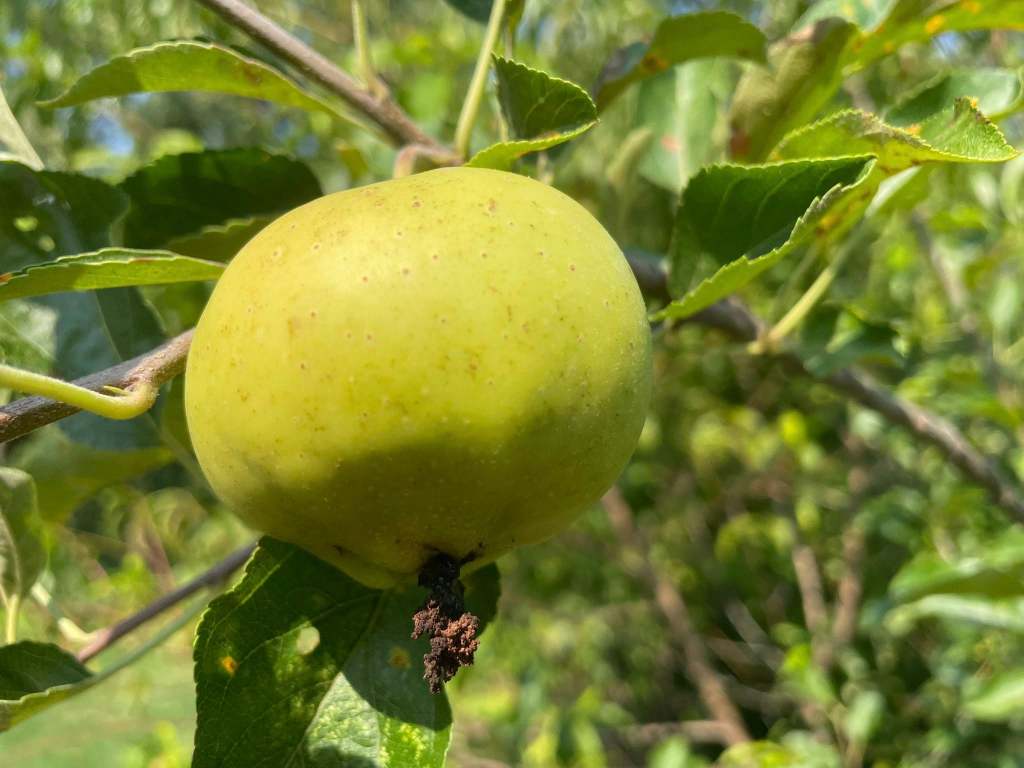
The fruit came, but so did everything else. Fungus spread through the trees. Apple scab, peach leaf curl, rust. Japanese beetles chewed through leaves. Aphids clustered on stems and drained them. By midsummer the damage was clear. Nature wanted to take back what I had planted.
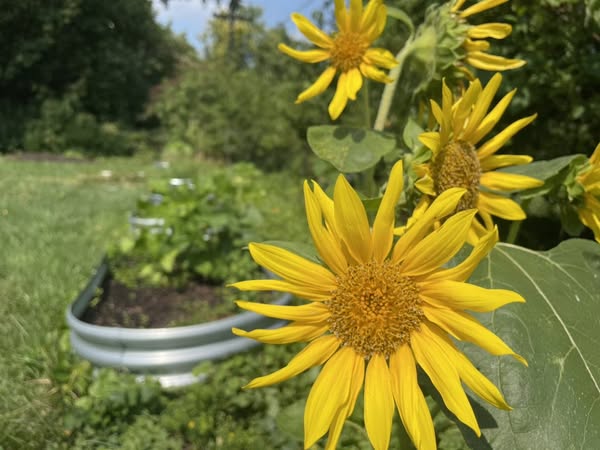
There were some wins. The standard peach tree gave a good yield. Grapes and raspberries came in. Green beans took off in the beds. Garlic I had planted the year before came out strong. But it wasn’t the kind of success I had pictured. The fruit trees that were supposed to carry the year mostly struggled. Other vegetables sputtered. Carrots stayed small. Much of the work I had put in over the seasons seemed to vanish in front of me.
I had underestimated the fight. Palatine is basically a marsh. The damp air itself seems to breed fungus. Even with compost delivered, raised beds, and grow bags, the results fell short. Trying to imagine feeding my family on what I grew this season felt impossible.
I came away with more gratitude for modern farming. There are reasons why agriculture looks the way it does. You see it once you’ve spent time battling pests and fungus by hand. Gardening is worth it, and I’ll keep going, but it is not simple. It humbles you.
People talk about food forests, permaculture, and self-sufficiency. Maybe that works somewhere else. After this year, I’m not so sure about here. I want to believe it can be done, but standing in the garden, looking at the leaves eaten and the fruit diseased, I can’t help but doubt it.

 Kern Keep